+8801973401739,+8801911524719
We Know The Power Of Quality
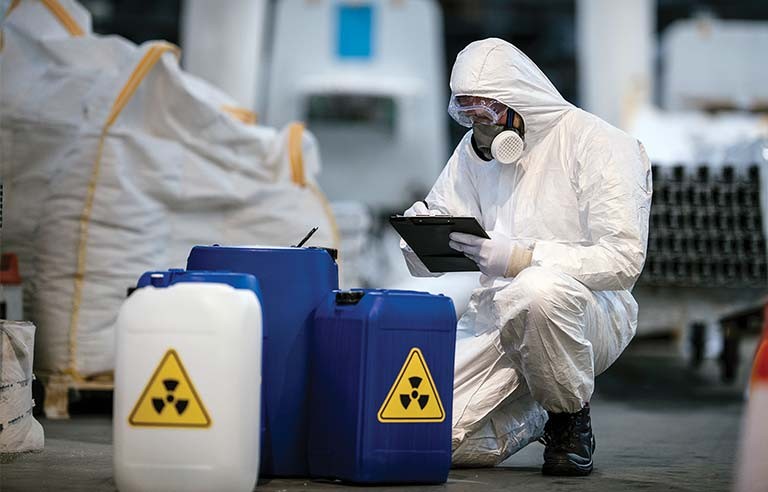
A chemical accident can have devastating effects, so avoid them. Planning ahead could prevent the loss of countless lives and work hours. If you want to know if your company's chemical hygiene plan needs to be updated or expanded, check out these ten safety tips for the chemical industry.
1. Offer Preparation and Assets. Don't assume that employees are familiar with chemical spill response procedures. Standard operating procedures (SOPs) for a wide range of chemicals are the subject of comprehensive training for all new employees. Post information to support the SOPs anywhere chemicals are present. When the chemicals require specific handling instructions, this is helpful.
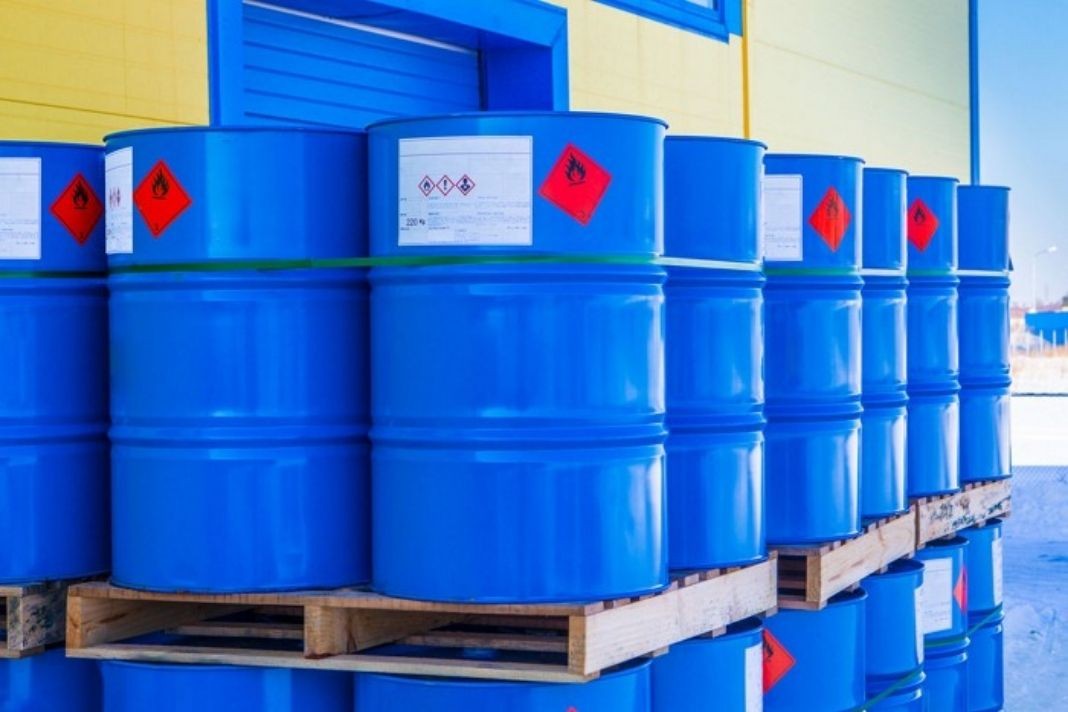
2. Clearly label everything. By properly labeling all chemical containers, you could possibly save a life. Even to an expert, chemicals frequently resemble one another. Check the labeling on the container; chemical hazards should be easily visible on the outside. Accidents caused by mixing the wrong substances or disposing of them incorrectly will be avoided if containers are properly labeled.
Material safety data sheets (MSDSs) should be kept in a place that is clearly labeled and easy to find. A worker ought to consult the appropriate MSDS prior to working with any chemical. For safe material handling, these sheets provide information on hazards and safety procedures.
3. It's all about the location. Check every chemical's location on a regular basis. Make sure that chemicals' containers are not in close proximity to any other chemicals that might cause a negative reaction. In addition, in the event of a container breach, permit adequate ventilation and drainage. The quality of the air in both the workspace and the storeroom can be guaranteed by having adequate ventilation. Depending on the chemicals used, exhaust vents may be required in a work area.
4. Examine emergency supplies for safety. In accordance with the guidelines set forth by the Occupational Safety and Health Administration (OSHA), buildings that handle or store chemicals are required to have working emergency equipment. Employees who get chemicals in their eyes could avoid going blind with an emergency eyewash. Small fires are prevented from growing larger by a functioning and recently inspected fire extinguisher. Firefighting supplies like hoses and water sources may be required by on-site firefighters.
5. Safety comes second to cleanliness. To avoid accidents, keep workstations neat and organized. Falls are caused by wet floors. Work areas that are cluttered encourage accidental spills and mixing. Keep excess chemicals in their original containers until needed to reduce clutter. Provide workers with a safe place to dispose of used chemicals near their workstations.
At the facility, workers must also be able to store their work clothes. Workers are prevented from bringing potentially contaminated clothing home for cleaning by washing machines at work. Teach laborers to continuously change garments prior to leaving to forestall conceivably presenting their families to synthetics from the office.
© 2026 All rights reserved by Divine Global Business Ltd. Developed by Uttara Info Tech